
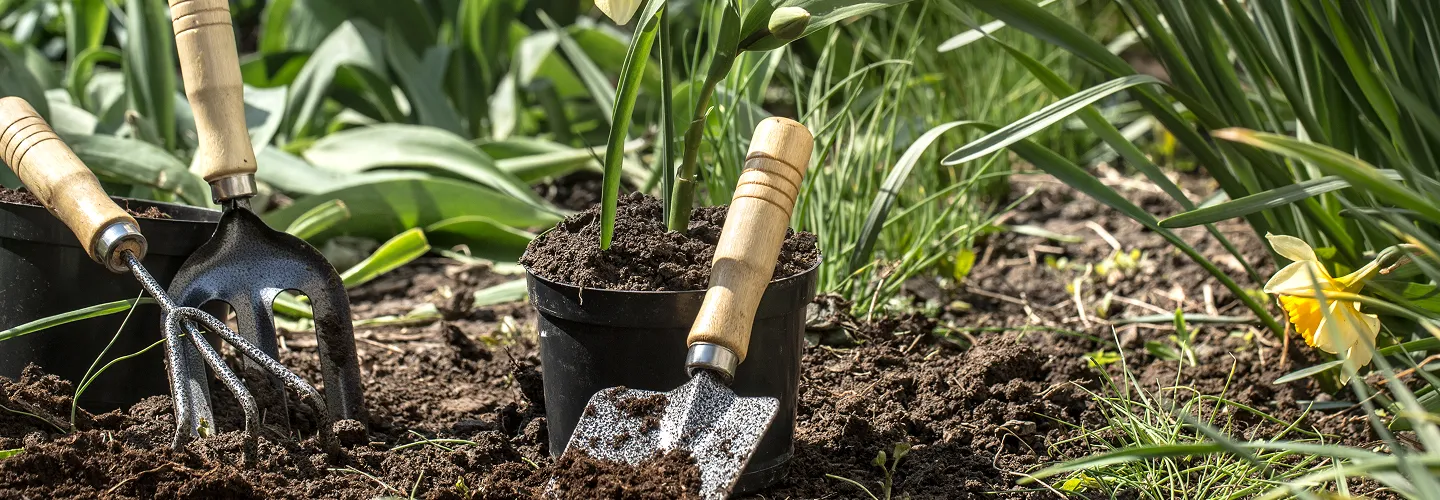
Spring Valley Village Lawn Leveling Services
Choose our expert lawn leveling services for a smoother, healthier yard that enhances curb appeal, prevents drainage issues, and creates the ideal foundation for lush, green grass all year round.
Get a Free QuoteOur Spring Valley Village Landscaping & Yard Care Services
When to Schedule Lawn Leveling in Spring Valley Village, Texas – Seasonal Guide
In Spring Valley Village, Texas, the best time to schedule lawn leveling is typically during late spring or early fall. These seasons offer moderate temperatures and consistent rainfall, which are ideal for soil adjustment and grass recovery. The local climate, characterized by warm, humid summers and mild winters, means that avoiding the peak heat of July and August is crucial for successful lawn leveling. Neighborhoods near Memorial Drive and Bunker Hill Road often experience varying shade coverage and soil compaction, making timing even more important for optimal results.
Local environmental factors such as the last frost date—usually in early March—and the risk of summer droughts should be considered when planning your project. Areas with dense tree canopies, like those near Hedwig Park, may require special attention due to increased shade and leaf litter. Additionally, the region's clay-heavy soils can retain moisture, impacting both the leveling process and subsequent grass growth. For more information on local regulations and best practices, consult the Spring Valley Village municipal resources.
Local Factors to Consider for Lawn Leveling in Spring Valley Village
- Tree density and shade coverage, especially in established neighborhoods
- Soil type, with many properties featuring clay-rich or compacted soils
- Seasonal precipitation patterns and risk of drought
- Terrain variations, including slopes and drainage issues
- Municipal restrictions or guidelines on landscaping projects
Benefits of Lawn Leveling in Spring Valley Village
Enhanced Curb Appeal
Improved Lawn Health
Smoother Mowing Experience
Better Drainage Solutions
Increased Property Value
Reduced Risk of Lawn Damage
Spring Valley Village Lawn Leveling Types

Topdressing Lawn Leveling
-
Sand Leveling
-
Soil Amendment Leveling
-
Power Raking and Leveling
-
Sod Replacement Leveling
-
Grading and Drainage Correction
-
Aeration and Leveling
Our Lawn Leveling Process
Site Evaluation
Soil Preparation
Leveling Application
Compaction
Final Inspection
Why Choose Spring Valley Village Landscape Services
Spring Valley Village Homeowners Trust Us
-
Expert Lawn Maintenance
-
Reliable Irrigation Solutions
-
Comprehensive Tree Care
-
Seasonal Clean-Up Services
-
Eco-Friendly Landscaping
-
Competitive Pricing
-
Satisfaction Guarantee
Addressing Spring Valley Village’s Expansive Clay Soils in Lawn Leveling
Lawn leveling in Spring Valley Village requires careful consideration of the city’s predominant soil types, notably the Houston Black clay and related Vertisols, as identified by the USDA Web Soil Survey. These soils are characterized by high clay content, pH levels typically ranging from 7.5 to 8.2, and a tendency to expand and contract with moisture changes, leading to uneven surfaces and drainage challenges. Effective lawn leveling should incorporate:
- Core aeration to a depth of 2-3 inches to relieve compaction
- Application of 2-3 inches of screened topsoil or sand, tilled to a 4-inch depth
- Soil testing (available through Texas A&M AgriLife Extension; typical cost $15-25)
- Lime or sulfur amendments as indicated by pH results Proper site assessment and soil amendment are essential for long-term turf stability and compliance with city standards.
Spring Valley Public Works Department
1025 Campbell Road, Spring Valley Village, TX 77055
Phone: (713) 465-8308
Official Website: Spring Valley Public Works Department
Seasonal Timing and Weather Considerations for Lawn Leveling in Spring Valley Village
The optimal window for lawn leveling in Spring Valley Village aligns with the region’s USDA Hardiness Zone 9a climate and local rainfall patterns. According to the National Weather Service Houston/Galveston Office, the best period for leveling is late March through early May, when soil temperatures reach 65°F and rainfall supports turf recovery. Key timing guidelines include:
- Spring leveling: March 15 – May 10 (soil temp 65-75°F)
- Avoid summer (June-August) due to heat stress and rapid soil drying
- Fall leveling: September 15 – October 31 (before first frost)
- Schedule work after moderate rainfall for easier grading Monitoring local forecasts and soil moisture is critical to prevent compaction and ensure successful turf establishment following leveling.
Municipal Ordinances and Equipment Operation Standards for Lawn Leveling
Spring Valley Village enforces specific ordinances regarding noise, equipment operation, and work hours for outdoor services such as lawn leveling. Under city code, permitted hours for powered equipment are:
- Monday-Friday: 7:00 AM – 7:00 PM
- Saturday: 8:00 AM – 6:00 PM
- Sunday and holidays: Prohibited All commercial operators must use equipment with functioning mufflers and maintain noise levels below 85 decibels at property lines. Safety protocols require:
- ANSI Z87.1 safety glasses
- Hearing protection for noise above 85 dB
- Steel-toed boots and high-visibility vests Violations may result in fines or stop-work orders. For ordinance details and compliance assistance:
Spring Valley Building Inspection Department
1025 Campbell Road, Spring Valley Village, TX 77055
Phone: (713) 465-8308
Official Website: Spring Valley Building Inspection Department
Environmental Compliance: Stormwater, Buffer Zones, and State Regulations
Lawn leveling activities in Spring Valley Village must comply with local and state environmental regulations to protect stormwater quality and sensitive areas. The city operates under an MS4 permit, prohibiting soil, debris, or grass clippings from entering storm drains, as mandated by the Clean Water Act and enforced by the Texas Commission on Environmental Quality. Key compliance steps include:
- Maintain a 25-foot buffer from wetlands and drainage ditches
- Use silt fences or wattles to prevent sediment runoff
- Prohibit fertilizer or soil amendments within 50 feet of water bodies
- Collect and dispose of debris per city guidelines Violations may result in penalties under the Texas Water Code. For technical guidance, consult Texas A&M AgriLife Extension for best management practices.
Spring Valley Public Works Department
1025 Campbell Road, Spring Valley Village, TX 77055
Phone: (713) 465-8308
Official Website: Spring Valley Public Works Department
Texas Commission on Environmental Quality
12100 Park 35 Circle, Austin, TX 78753
Phone: (512) 239-1000
Official Website: Texas Commission on Environmental Quality
What Neighborhoods Do We Serve Throughout Spring Valley Village, TX?
- Hilshire Estates: Features mature trees and heavy clay soils, requiring careful grading and compaction management during lawn leveling. Drainage improvements are often necessary due to low-lying areas.
- Valley Oaks: Characterized by mid-century homes and moderate slopes, this area often presents challenges with runoff control and access for equipment.
- Spring Valley Woods: Newer developments with larger lots and mixed soil fill; attention to soil blending and uniform grading is essential for consistent turf performance.
- Binglewood: Noted for smaller lots and dense landscaping, requiring precise equipment operation and adherence to noise ordinances due to close property lines.
- Campbell Place: Proximity to drainage channels and parks necessitates strict compliance with buffer zone regulations and sediment control measures.
- Enclave at Spring Valley: Gated community with HOA landscaping standards, emphasizing uniformity and compliance with community-specific guidelines for lawn leveling.
- Westview Terrace: Older neighborhood with compacted soils and established trees, often requiring additional soil amendment and root zone protection during leveling.